Bible Study for New Christians: Everything I Wish Someone Had Told Me
New to the faith and feeling overwhelmed? Here's the honest, practical Bible study advice nobody gave me when I first started ... from a mom who learned the hard way.
Written by Kristen
Coffee-loving mom of 2 · Bible study enthusiast · Founder of Bible Momma
What Nobody Tells New Christians About Bible Study
When I became a Christian, people told me a lot of things. “Read your Bible every day.” “Join a small group.” “Pray without ceasing.” (That last one stressed me out for months because I thought it meant I was supposed to literally never stop praying, and I was already having trouble keeping up with laundry.)
What nobody told me was the practical stuff. The stuff that would have saved me from months of confusion, guilt, and one very dramatic crying session in a bookstore because I couldn’t figure out which study Bible to buy. (The barista at the in-store Starbucks was very kind about it.)
So here’s everything I wish someone had sat me down and told me over coffee … the honest, sometimes messy, totally non-judgmental guide to Bible study as a new Christian.
You Don’t Have to Know Everything Right Now
This was the biggest thing. I put so much pressure on myself to immediately understand theology, memorize verses, and have intelligent opinions about predestination vs. free will. (I still don’t have intelligent opinions about that, by the way. I have opinions. They’re just not that intelligent.)
Here’s what I needed to hear: you’re allowed to be new at this. You’re allowed to not know things. You’re allowed to ask questions that feel “dumb.” (They’re not dumb. They’re just new.) The Bible isn’t going anywhere. You have time.
I spent my first year as a Christian feeling like everyone around me had read some manual I’d never seen. Turns out, most of them were figuring it out as they went too. They’d just been figuring it out longer.
The Bible Is Not a Rulebook
This one took me a while. I came into Christianity thinking the Bible was basically a giant list of dos and don’ts, and my job was to memorize the list and follow it perfectly. That’s… not what it is.
The Bible is a story. It’s the story of God and people … how he made them, how they wandered off, how he kept coming after them anyway. Yes, there are instructions in there. Yes, there are guidelines for living. But the point isn’t to check boxes. The point is relationship.
Once I stopped reading the Bible like a rulebook and started reading it like a love letter (a very long, sometimes confusing love letter with a lot of characters), everything changed. I stopped reading out of obligation and started reading because I actually wanted to know more.
Start Where It’s Easy, Not Where It’s “Right”
A lot of well-meaning people told me to start at Matthew and read straight through the New Testament. And look, that’s fine advice if you’ve got the attention span for it. I do not. My attention span has been destroyed by years of mom-brain and a phone addiction I’m only partially managing.
I started with the Gospel of John because someone at church told me it was the easiest introduction to Jesus. They were right. It was written in clear, simple language, and it focused on the big ideas instead of overwhelming me with genealogies and historical context I didn’t have yet.
After John, I went to Psalms … because I was going through a rough patch and I needed comfort more than I needed information. Then James, because I wanted something practical I could apply to my daily life.
There’s no “correct” reading order. Find what feeds you right now.
You Will Not Understand Everything (and That’s Okay)
I cannot tell you how many times I read a passage and thought “I have absolutely no idea what this means.” Revelation? Might as well be in another language. Parts of Romans? I had to read the same paragraph four times and I still wasn’t sure. Ezekiel’s vision of the wheel within a wheel? I’m going to be honest, I’m still working on that one.
Here’s the secret nobody tells new Christians: experienced Christians don’t understand everything either. People who’ve been studying the Bible for decades still encounter passages that make them scratch their heads. Theologians have been debating certain verses for centuries. Literally centuries.
So if you read something and don’t get it? That’s not a sign you’re doing it wrong. That’s a sign you’re human. Mark it, come back to it later, and move on. Understanding comes in layers.
Get a Guide (Your Future Self Will Thank You)
I tried to study the Bible without any kind of guide for my first four months. It went about as well as you’d expect. I’d read a passage, have no context for what was happening, get confused, feel frustrated, and eventually drift away for a few days. Then the guilt would kick in, and I’d try again, and the cycle would repeat.
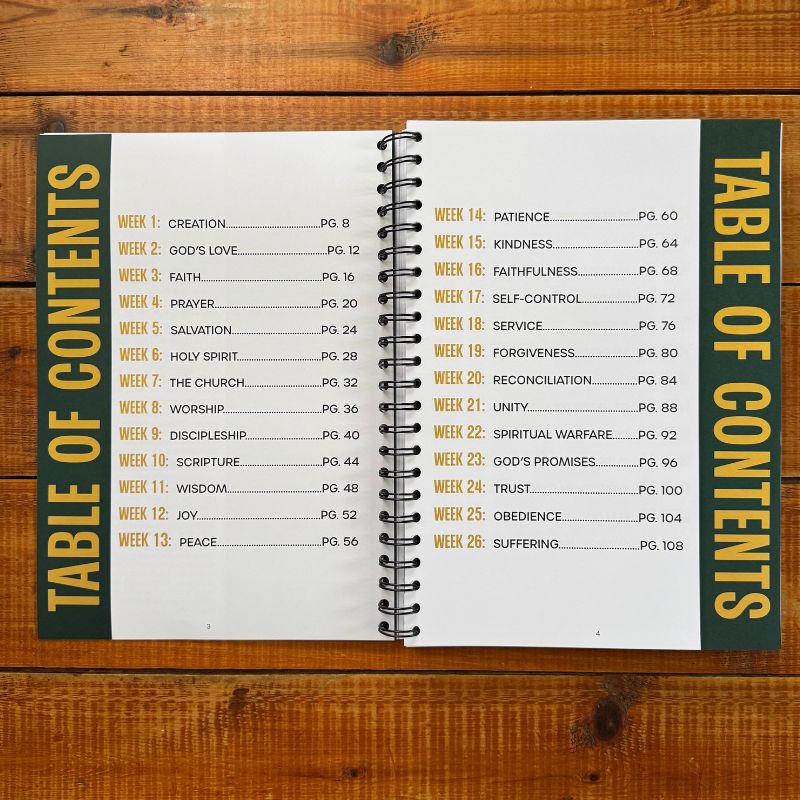
What broke the cycle was finding a study guide that actually explained things. Not in a condescending way, but in a “hey, here’s what was going on historically and here’s why this matters” way.
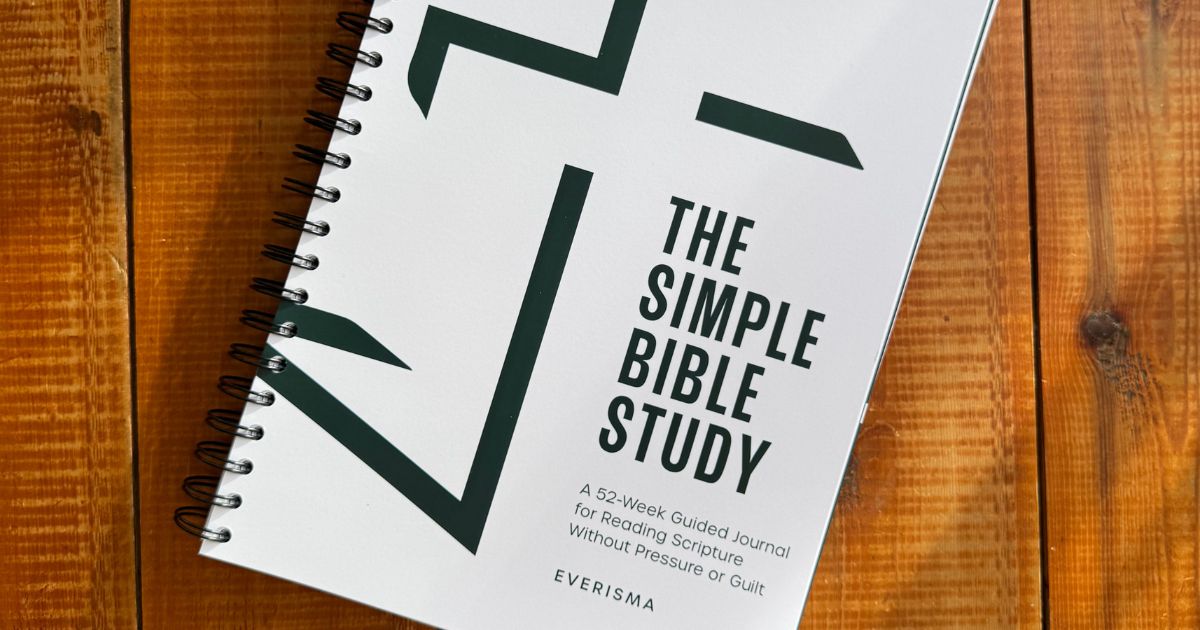
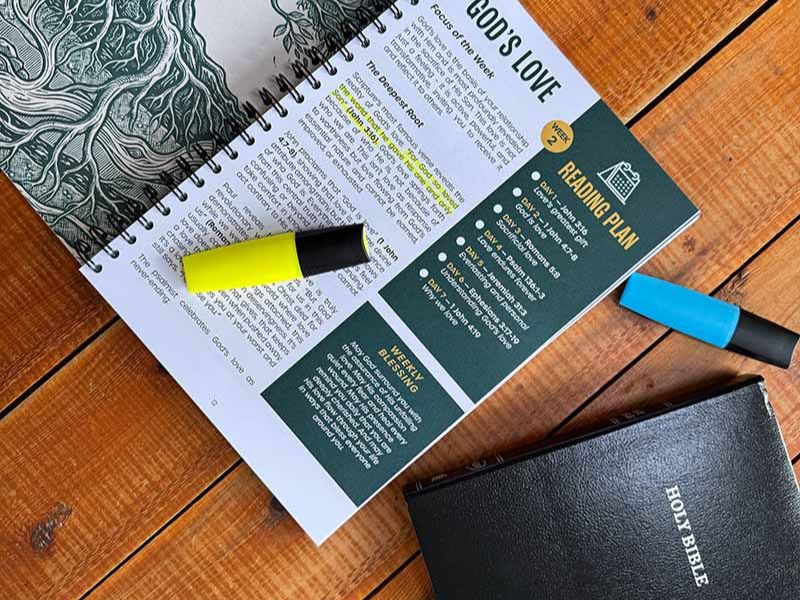
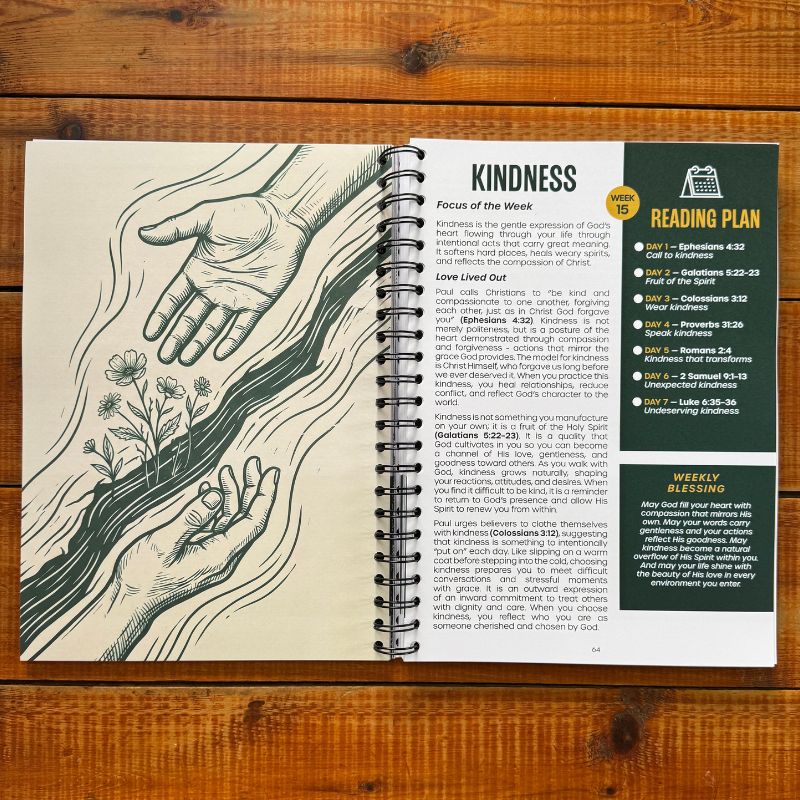
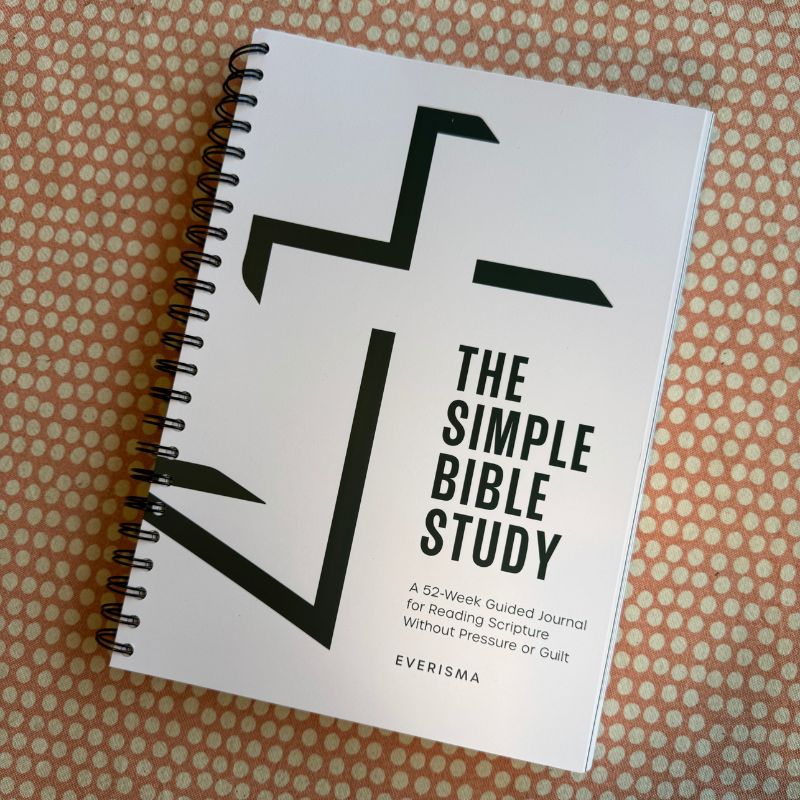
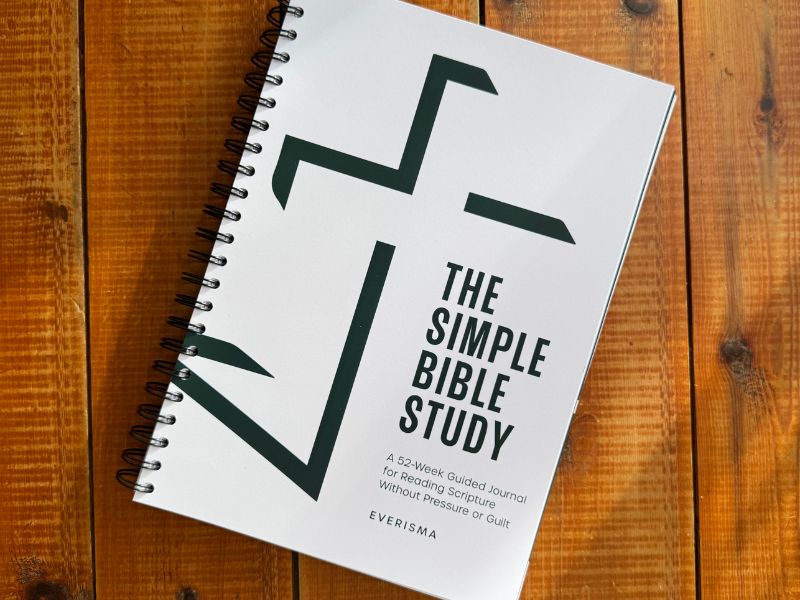
The guide I ended up using was designed for people exactly like me … new to the Bible, short on time, and tired of feeling lost. It breaks everything into 15-minute sessions, which was crucial because with two kids, 15 minutes is about all I get. And it gives context for every passage, so I’m not just reading words … I’m understanding them.
The Comparison Trap Is Real
You know that woman in your Bible study group who seems to know every verse by heart, highlights in four colors, and references the original Hebrew like it’s casual conversation? She’s been doing this for 20 years. You’ve been doing this for 20 days. Stop comparing.
I wasted so much energy feeling “behind.” Behind who? Behind what? There’s no Bible study leaderboard. There’s no graduation ceremony. Everybody started exactly where you are right now … confused, curious, and clutching coffee like a lifeline.
Your only competition is yesterday’s version of you. And even she didn’t have it together, so relax.
Practical Tips I Learned the Hard Way
Here’s the tactical stuff I picked up through trial, error, and a lot of error:
Don’t buy a study Bible yet. They’re great, but they can be overwhelming when you’re just starting. All those footnotes and cross-references will make your head spin. Start with a clean, readable Bible. You can upgrade later.
Write in your Bible. I know this feels wrong. It felt wrong to me too. But circling verses, writing notes in the margins, underlining things that hit home … it makes the Bible yours. It’s not a museum artifact. It’s a tool. Use it.
Find one person, not a crowd. Having a massive accountability group is nice in theory, but when you’re new, it can feel intimidating. Find one person you trust … one friend, one mentor, one person at church … and text them when you have questions. My person was a woman named Linda from the church nursery. She answered my most ridiculous questions without ever making me feel stupid.
Use the same time every day. Not because God cares about your schedule, but because habits need anchors. For me, it’s during morning coffee number two (coffee number one is survival mode … no thinking allowed). Find your anchor and stick to it.
It’s okay to use your phone. Bible apps are legitimate tools. YouVersion, the Blue Letter Bible app, the Dwell app for audio … all great. If the Bible snobs come for you, tell them I sent you. Some of my best study sessions have happened on my phone in the pediatrician’s waiting room.
The Guilt Thing
Can we talk about the guilt? Because nobody warned me about the guilt.
As a new Christian, I felt guilty about everything. Guilty when I missed a day of reading. Guilty when I didn’t understand something. Guilty when I fell asleep praying. Guilty when I read the Bible out of obligation instead of desire. Guilty when I chose Netflix over Nehemiah.
Here’s what I’ve learned: guilt is not from God. Conviction … a gentle nudge that says “hey, let’s get back to this” … that’s different. But the crushing, shame-spiraling, “I’m the worst Christian ever” feeling? That’s not how this works.
You missed three days? Cool. Open your Bible today. You dozed off during your study time? You’re a tired mom. It happens. Give yourself the same grace you’d give a friend.
What I’d Tell Day-One Me
If I could go back and talk to the version of me crying in that bookstore, here’s what I’d say:
You don’t need to buy the expensive study Bible. You don’t need to understand Romans right now. You don’t need to have a Pinterest-worthy quiet time setup. You just need to start, keep going, and give yourself permission to be a beginner.
The fact that you want to study the Bible is already a big deal. Don’t let perfectionism steal that from you.
Get a guide that meets you where you are. Start with John. Pour another cup of coffee. And remember … you’re not behind. You’re right on time.
Frequently Asked Questions
How often should a new Christian study the Bible?
Daily is ideal, but don't let "ideal" become the enemy of "actually doing it." If you can do five days a week, great. If some weeks you manage three, that's great too. The goal is consistency over time, not perfection every single day. I missed plenty of days in my first year and the world didn't end.
Should new Christians join a Bible study group?
If you find one that's welcoming to beginners, absolutely. But don't force it. Some groups are amazing. Some groups are full of people who've been studying for 30 years and accidentally make newcomers feel like they're sitting in on a graduate seminar. If a group makes you feel dumb, it's the wrong group ... not the wrong you. A good small group will welcome questions and meet you where you are.
What's the difference between reading the Bible and studying the Bible?
Reading is going through the text ... taking it in, getting the story. Studying is going deeper ... asking questions, looking at context, thinking about what it means for your life, and maybe writing things down. Both are valuable. Start with reading and let it naturally evolve into studying as you get more comfortable. There's no rush to jump into deep academic study when you're still learning the basics.
I feel overwhelmed. Is that normal?
Completely, 100% normal. The Bible is a big book (well, 66 books) written over thousands of years. Of course it's overwhelming at first. That overwhelm will fade as you build familiarity. In the meantime, keep your scope small ... one book, one chapter at a time. And if you want something that takes the guesswork out of it, <a href="https://www.everisma.com?utm_source=biblemomma" rel="sponsored noopener noreferrer">a structured guide like this one</a> can make a huge difference. It did for me.
Ready to Find a Bible Study That Actually Works?
This is the guide that finally helped me stay consistent, and I think it can help you too.
See the Bible Study Guide I Use →Hi, I'm Kristen!
I'm a coffee-loving mom of two from who finally found a Bible study system that actually sticks. After trying (and abandoning) more study guides than I can count, I built Bible Momma to help other moms stop feeling guilty and start growing closer to God... messy schedules, short attention spans, and all.
Read my full story →