How to Start Studying the Bible (When You Have No Idea Where to Begin)
No clue how to start studying the Bible? Same. Here's the no-pressure, practical guide I wish someone had handed me before I spiraled into overwhelm.
Written by Kristen
Coffee-loving mom of 2 · Bible study enthusiast · Founder of Bible Momma
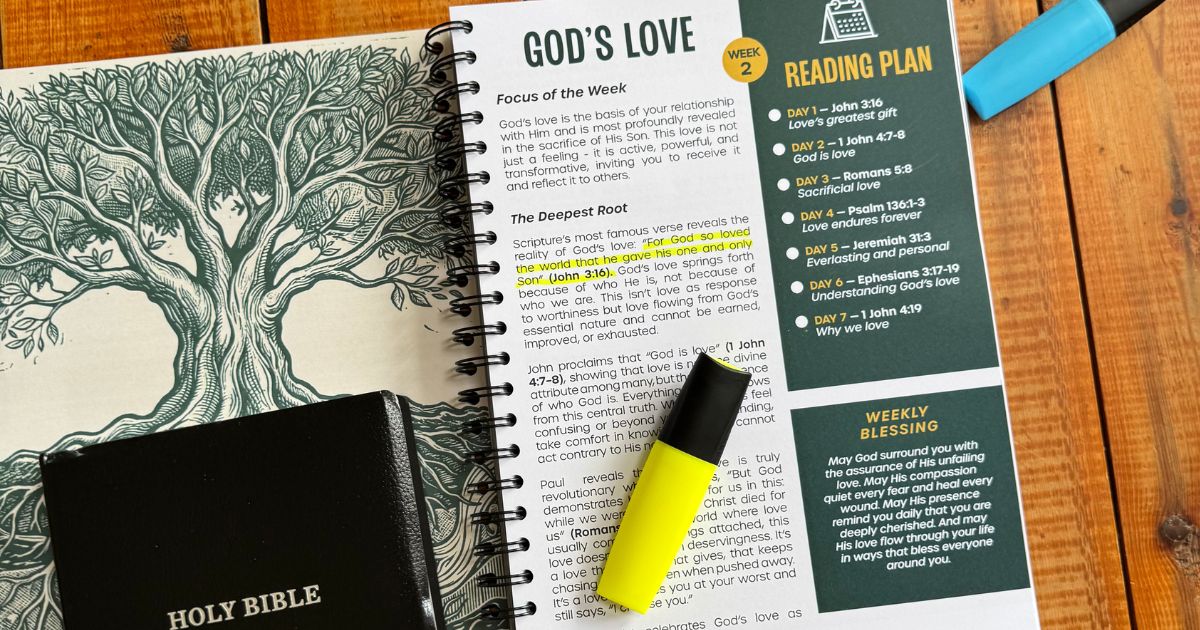
How to Start Studying the Bible When You Literally Have No Idea
Let me paint you a picture. It’s 2019. I’m sitting in my car in the school pickup line, holding a Bible I got as a wedding gift eight years ago, and I have no idea what to do with it. Like, do I just… open it and read? Is there a right way? A wrong way? Am I going to accidentally read something out of order and miss the whole point?
I literally googled “how to start studying the Bible” on my phone while my kid was doing the slow-walk-of-defiance across the parking lot. And you know what I found? A bunch of articles that said things like “just pray and let the Holy Spirit guide you” … which, okay, lovely sentiment, but not exactly actionable when you don’t even know the difference between a chapter and a verse.
So here’s what I wish someone had told me that day in the pickup line, coffee getting cold, kid finally in the car, zero clue where to start.
Step 1: Throw Out the Pressure
The single most important thing I can tell you is this: there is no wrong way to start.
I know that sounds like something you’d read on a motivational poster in a dentist’s office, but I mean it. You don’t need to start at page one. You don’t need to understand ancient Greek. You don’t need to have a fancy journal with color-coded tabs. You just need to open it.
I spent months not starting because I was so worried about doing it “right” that I never did it at all. Don’t be me. Be better than me. (Low bar, honestly.)
Step 2: Pick a Translation You Can Actually Read
This tripped me up way more than it should have. I was trying to read the King James Version because it felt “official,” and I was spending more time trying to decode “thou shalt” and “hitherto” than actually absorbing anything.
Here’s the deal: the Bible has been translated into modern English. Multiple times. And those translations are legitimate. You’re not cheating by reading one you can understand.
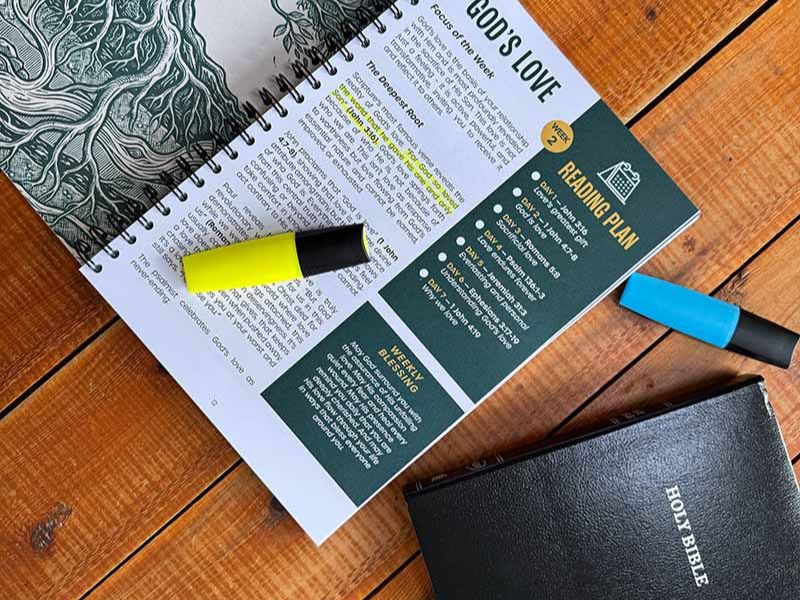
My recommendations for beginners:
- NLT (New Living Translation) … reads like a conversation. This is what I started with.
- NIV (New International Version) … a really solid middle ground between readable and accurate.
- ESV (English Standard Version) … a bit more formal, but still clear.
Don’t overthink this. Grab whichever one you have, or download the YouVersion app (it’s free) and try a few. You can always switch later.
Step 3: Don’t Start at Genesis
I know it seems logical. Page one, chapter one, the beginning. But Genesis-to-Revelation is not how most people successfully start studying the Bible. You’ll hit Leviticus by week three and wonder why you’re reading about skin diseases and grain offerings.
Instead, start somewhere that connects you to the heart of what the Bible is about. I started with the Gospel of John, and it changed everything for me. It’s written to help people understand who Jesus is … which is kind of the whole point.
Other great starting points:
- Mark … the shortest Gospel, fast-paced, no fluff
- Psalms … if you need to feel something before you study something
- James … practical, short, and immediately applicable to daily life
Step 4: Start Small (Like, Really Small)
Here’s where I messed up the first three times I tried to start a Bible study: I went too hard too fast. I told myself I’d read for an hour every morning. I lasted four days.
Now? I do 15 minutes. Sometimes 10. Sometimes my “Bible study” is reading three verses while hiding in the bathroom because someone is yelling about a missing sock.
The point isn’t duration. The point is showing up. Five minutes of actually reading and thinking about what you read is worth more than an hour of zoning out because you forced yourself to sit there.
Here’s a practical starting plan:
- Pick one book (I’d say John)
- Read one chapter a day (most are short … like 2-3 minutes of reading)
- After you read, ask yourself two questions: “What did I learn about God?” and “What does this mean for my life today?”
- Write down your answers if you’re a notes person. Or don’t. No rules here.
That’s it. That’s the whole system.
Step 5: Get a Guide (Seriously)
I resisted this for a long time because I thought I should be able to figure the Bible out on my own. Like, it’s a book. I can read. How hard can it be?
Turns out … kind of hard. The Bible was written across thousands of years, by dozens of authors, in languages I don’t speak, in cultures I don’t fully understand. Having someone explain the context makes an enormous difference.
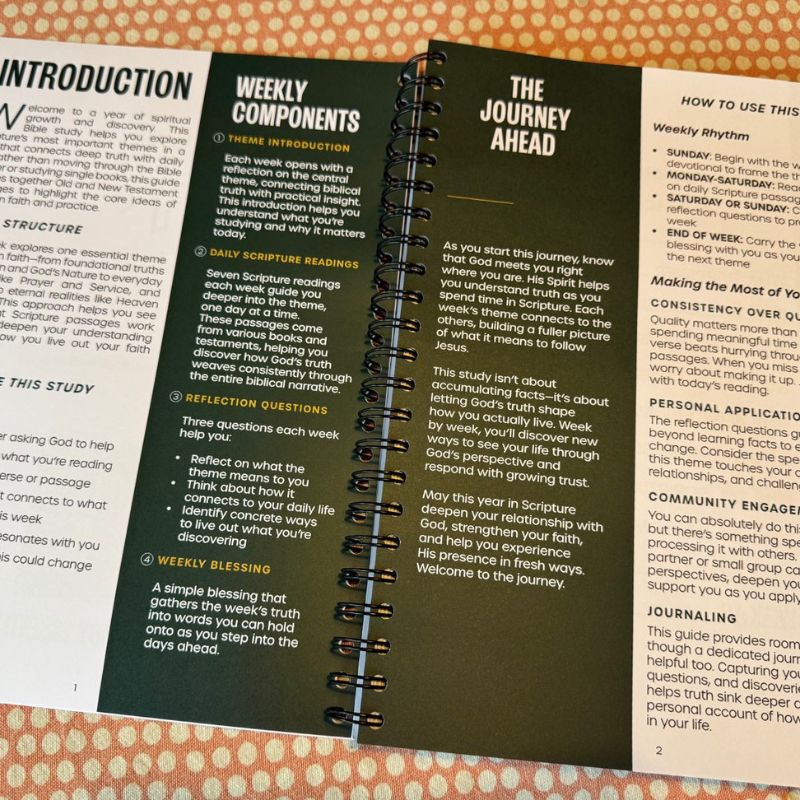
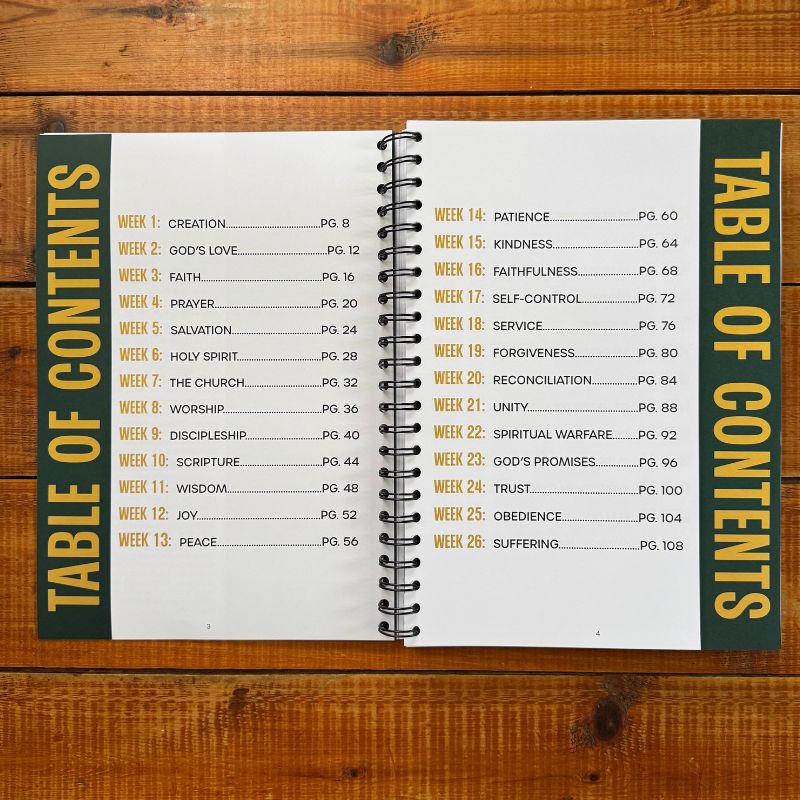
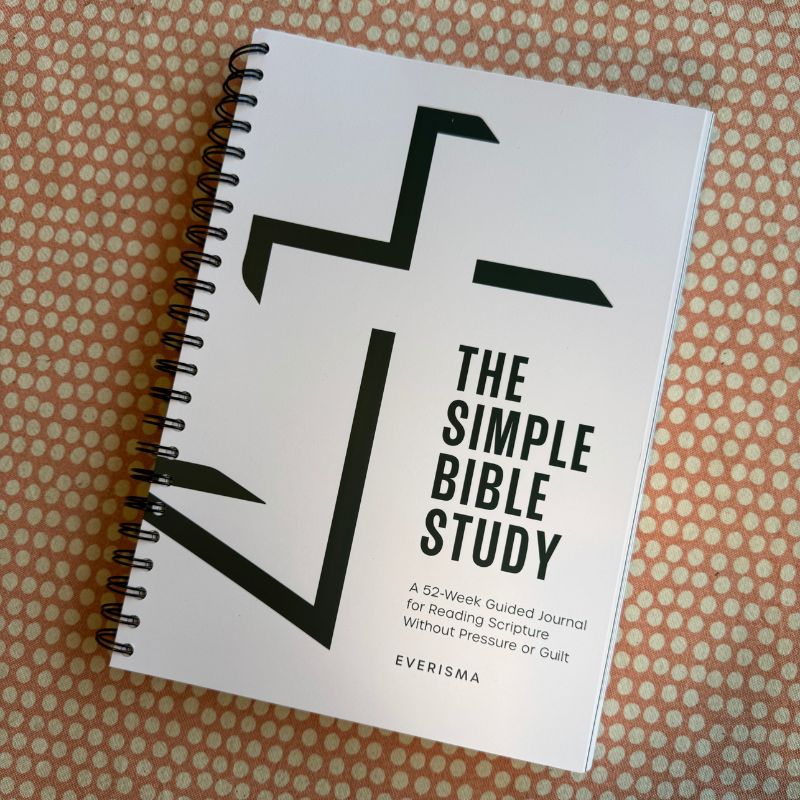
The guide I use was built for people like me … people who wanted structure but not homework, depth but not a theology lecture. It breaks everything into 15-minute sessions and actually explains what you’re reading and why it matters. I don’t have to wonder if I’m “doing it right” because the guide walks me through it.
If you’re the type who likes figuring things out solo, go for it. But if you’re anything like me and you want someone to just tell you where to start and what to read next … a guide is a game-changer.
Step 6: Find Your Time (and Protect It)
I’m not going to tell you that you need to wake up at 5 a.m. to study the Bible. Some people do that. Good for them. I am not one of those people.
My Bible study happens during nap time, or after the kids go to bed, or … I’m not proud of this … in the school pickup line. The time doesn’t matter. What matters is that you find a window that works for your actual life, not some aspirational version of your life where you’re a morning person with a clean house.
Step 7: Give Yourself Grace
You’re going to miss days. You’re going to read a passage and have zero idea what it means. You’re going to feel like everyone else “gets it” and you’re the only one who’s confused. (They don’t all get it. Many of them are also confused. We’re all just doing our best.)
The Bible isn’t a test you can fail. It’s a relationship. And relationships don’t end because you missed a day. Just pick it back up. God’s not keeping score, and neither should you.
I’ve been doing this for years now and I still have days where I read something and think “what on earth does that mean?” That’s normal. That’s part of it. The understanding comes with time, and honestly, some of the biggest breakthroughs happen when you least expect them.
The Quick-Start Version
Because I know some of you skimmed to the bottom (no judgment, I do it too):
- Pick a readable translation (NLT or NIV)
- Start with John (not Genesis)
- Read one chapter a day (10-15 minutes)
- Ask yourself two questions after each chapter
- Get a guide if you want structure … this is the one I use
- Give yourself grace when you miss a day
That’s it. You don’t need anything else to start. You already have everything you need.
Now go refill your coffee and open that Bible. You’ve got this.
Frequently Asked Questions
Do I need to pray before studying the Bible?
You don't *need* to, but I find it helps me focus. My pre-study prayer is literally "God, help me understand what I'm about to read." That's it. Ten seconds. Nothing fancy. It's more about shifting my brain from "kid chaos mode" to "quiet time mode" than anything else.
How long does it take to get comfortable with Bible study?
For me, it took about three weeks of consistent (ish) studying before it stopped feeling awkward and started feeling like part of my routine. The first week is the hardest. After that, it gets easier. And after a month or two, you'll actually start to miss it on the days you skip.
Can I use a Bible app instead of a physical Bible?
Absolutely. I use both. The YouVersion app is great for reading on the go, and it has tons of reading plans if you want extra structure. The only downside is the temptation to check Instagram mid-verse. If you can resist that, apps are totally valid.
What if my family or friends aren't into Bible study?
You don't need anyone's permission to study the Bible, and you definitely don't need to announce it. When I started, I didn't tell anyone for months. I just quietly did my thing during nap time. Your spiritual growth is yours ... do it for you, on your terms, at your pace.
Ready to Find a Bible Study That Actually Works?
This is the guide that finally helped me stay consistent, and I think it can help you too.
See the Bible Study Guide I Use →Hi, I'm Kristen!
I'm a coffee-loving mom of two from who finally found a Bible study system that actually sticks. After trying (and abandoning) more study guides than I can count, I built Bible Momma to help other moms stop feeling guilty and start growing closer to God... messy schedules, short attention spans, and all.
Read my full story →