Inductive Bible Study for Beginners: A No-Jargon Guide
Inductive Bible study sounds fancy, but it's not. Here's a plain-language breakdown of the observation-interpretation-application method from a mom who figured it out the hard way.
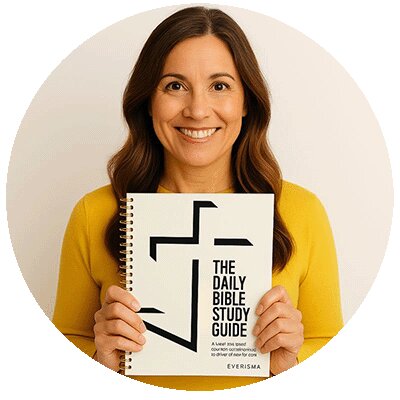
Written by Kristen
Coffee-loving mom of 2 · Bible study enthusiast · Founder of Bible Momma
What Is Inductive Bible Study?
Okay, let’s get the scary-sounding name out of the way. “Inductive Bible study” sounds like something you need a degree for. You don’t. I promise. I learned it at my kitchen table while my toddler threw Cheerios at the dog.
Inductive Bible study is just a method of reading the Bible where you let the text tell you what it means … instead of starting with someone else’s opinion and trying to match the text to it. That’s it. That’s the whole concept.
It has three steps:
- Observation, What does the text actually say?
- Interpretation, What does it mean?
- Application, What do I do about it?
Simple, right? The magic is in how you do each step. And I’m going to walk you through it like I’m sitting across from you at a coffee shop (where I’ve probably already had two cups and am eyeing a third).
Why Inductive Study Is Worth Learning
Before I get into the how, let me tell you why I’m such a fan of this method.
For years, I read the Bible the way most people do … I’d read a verse, think “that’s nice,” and move on. Or I’d read a devotional where someone told me what a passage meant, and I’d just… believe them. Which is fine, except I never really knew the Bible for myself. I was borrowing everyone else’s understanding.
Inductive study changed that. It taught me to slow down and actually look at what’s on the page. And honestly? I started noticing things I’d completely missed after years of reading the same passages.
It’s also weirdly satisfying. There’s something about figuring out a passage on your own … before reading a commentary … that just hits different. Like solving a puzzle. Except the puzzle also comforts your soul. Weird combo, but I’m here for it.
Step 1: Observation (What Does It Say?)
This is the step most people skip, and it’s the one that matters most.
Observation is exactly what it sounds like: you’re looking at the text and noticing what’s actually there. Not what you think it means. Not what your Sunday school teacher said about it. Just what the words on the page actually say.
Here’s how I do it:
Read the passage multiple times. At least three. I know, I know … who has time? But each read reveals something new. First read: get the general idea. Second read: slow down and notice details. Third read: look for things that surprise you or confuse you.
Ask the journalist questions:
- Who is speaking? Who is being spoken to? Who else is mentioned?
- What is happening? What is being said?
- Where is this taking place?
- When is this happening (in the story, in history)?
- Why is this being said or done?
- How does this connect to what came before?
Mark up the text. Underline repeated words. Circle connecting words like “therefore,” “but,” “because” … these are huge clues. Note any commands, promises, or warnings.
Let me give you a real example. Take Philippians 4:6-7:
“Do not be anxious about anything, but in every situation, by prayer and petition, with thanksgiving, present your requests to God. And the peace of God, which transcends all understanding, will guard your hearts and your minds in Christ Jesus.”
Observation might look like:
- There’s a command: “do not be anxious about anything” … not some things, anything
- There’s a “but” … so there’s a contrast happening
- The method given: prayer + petition + thanksgiving (not just asking, but thanking)
- There’s a result: peace that “transcends all understanding”
- That peace “guards” hearts and minds … military language?
- It’s “in Christ Jesus” … conditional on being in relationship with Him
See? No commentary needed. Just reading carefully.
Step 2: Interpretation (What Does It Mean?)
Now that you know what the text says, you figure out what it means. This is where you put on your thinking cap (mine has a coffee stain on it, but it still works).
Consider the context. What comes before and after this passage? What’s the overall theme of the book? You don’t have to be an expert … just read the surrounding chapters. A lot of misinterpretation happens because people yank verses out of context.
Look up unfamiliar words or concepts. If something confuses you, that’s not a sign you’re dumb. It’s a sign the text was written 2,000+ years ago in a different culture. Google is your friend. Bible dictionaries are your friend. No shame.
Check the original language (optional but fun). Tools like Blue Letter Bible or Strong’s Concordance let you look up what a Greek or Hebrew word really means. Remember that word “guard” from Philippians? The Greek word is phroureo … it’s a military term meaning to garrison or protect. So Paul is literally saying God’s peace will stand guard over your heart like a soldier. That’s way more powerful than just “you’ll feel peaceful.”
Ask: What is the author’s main point? Don’t get lost in the details. Every passage has a central idea. For Philippians 4:6-7, it’s something like: “Replace anxiety with grateful prayer, and God’s supernatural peace will protect your inner life.”
Step 3: Application (What Do I Do About It?)
This is where the rubber meets the road. And honestly? It’s the step that makes Bible study feel less like homework and more like a conversation with God.
Application asks: So what? Now what?
Here’s how I approach it:
Is there a command to obey? “Do not be anxious” … okay, so I need to actively fight anxiety instead of letting it run the show.
Is there a promise to believe? God’s peace will guard my heart and mind. Even when the circumstances don’t change. Even when the bills are still there.
Is there an example to follow (or avoid)? The model here is prayer with thanksgiving … not just begging God to fix things, but thanking Him in the middle of the mess.
What needs to change in my life right now? For me, this passage meant I needed to stop doom-scrolling at midnight and actually pray when anxiety hits. Practical. Specific. Not a vague “be better.”
Write it down. Make it specific. “I will pray instead of spiral when I feel anxious about finances this week.” That’s application.
Common Mistakes Beginners Make (I Made All of Them)
Skipping observation. I know it seems basic. I know you want to jump to the “what does it mean” part. But if you skip observation, your interpretations will be based on assumptions instead of text. Slow down.
Bringing your own meaning to the text. We all have lenses we read through … our experiences, our church background, things we’ve heard. Inductive study asks you to set those aside and let the text speak first. It’s harder than it sounds.
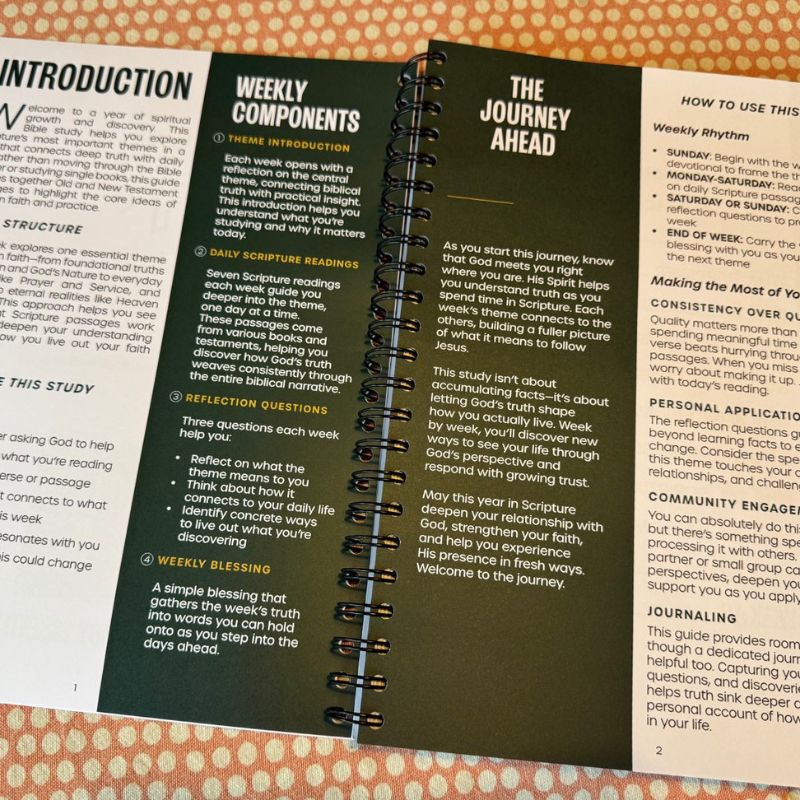
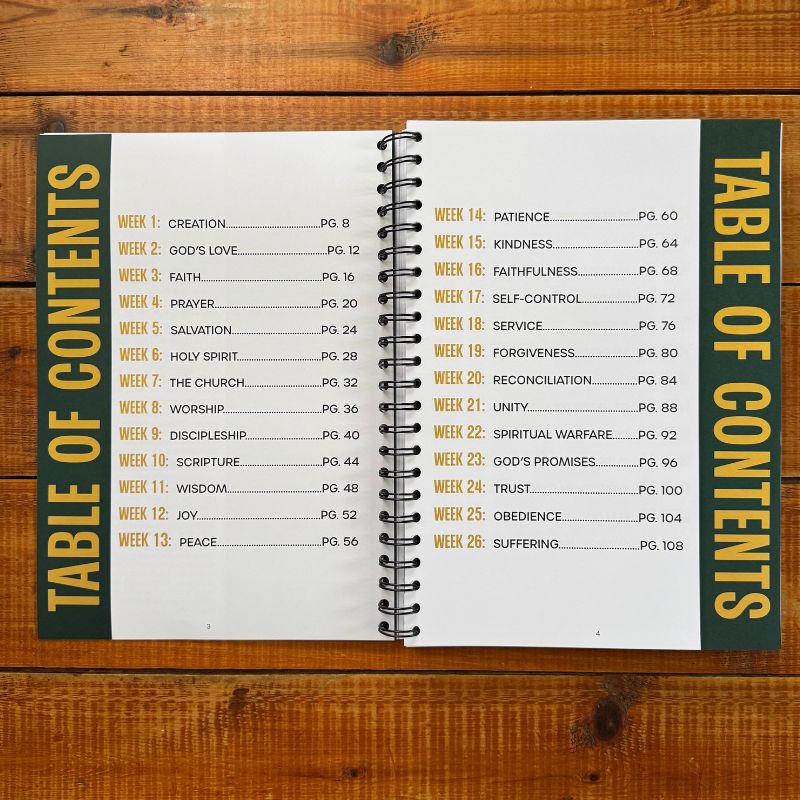
Making it too complicated. You don’t need colored pens in six shades. You don’t need a special journal. You need a Bible, something to write with, and 20 minutes. That’s it. The guide I use gives you a framework for each step so you’re not staring at a blank page wondering what to write.
Trying to study too much at once. Start with 5-10 verses. Not a whole chapter. You’ll get more out of five verses studied inductively than five chapters skimmed quickly.
How Long Does Inductive Bible Study Take?
Real talk: when you’re starting out, a single passage might take 20-30 minutes. That sounds like a lot, but it gets faster as you practice. After a few weeks, you’ll move through the steps more naturally.
And here’s the thing … you don’t have to do all three steps in one sitting. I sometimes do observation in the morning and come back to interpretation during nap time. Application happens while I’m washing dishes and thinking about what I read. It’s flexible.
Getting Started: Your First Inductive Study
Want to try it right now? Here’s your homework (not really homework, I hate that word):
- Open to Mark 4:35-41 (Jesus calms the storm … short, vivid, perfect for practice)
- Read it three times
- Write down everything you observe … who, what, where, when, why, how
- Write down what you think it means … what’s the main point?
- Write down one specific way it applies to your life this week
That’s it. You just did inductive Bible study. Welcome to the club. We have coffee.
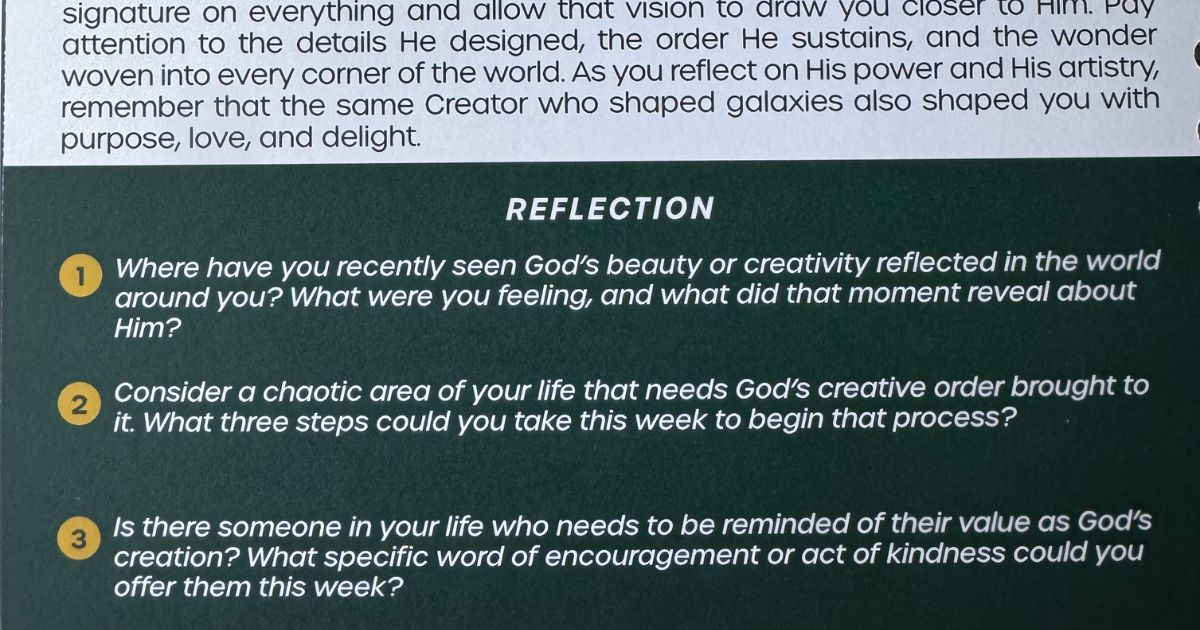
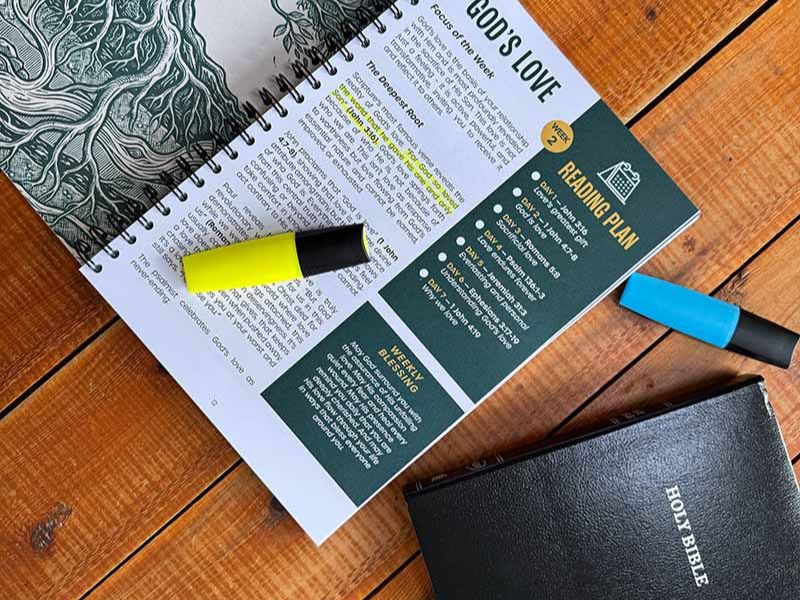
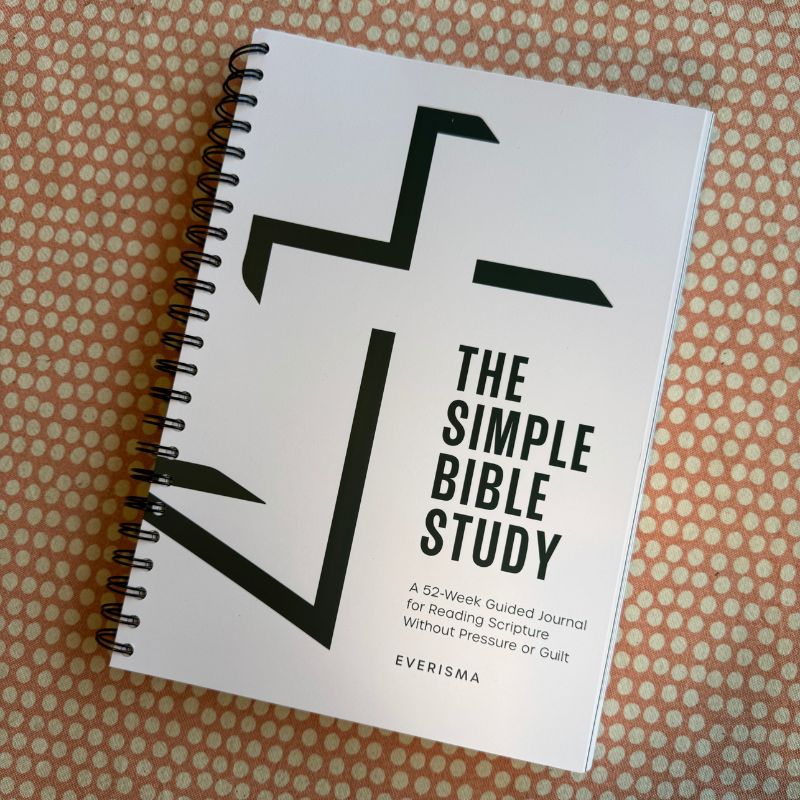
If you want a structured guide that walks you through this method week by week … with passages already selected and observation questions already written … the guide I use from Everisma does exactly that. It’s what made this method feel doable instead of overwhelming.
Frequently Asked Questions
Do I need to know Greek or Hebrew for inductive Bible study?
Not at all. Knowing the original languages can add depth, but it's absolutely not required. Free tools like Blue Letter Bible let you look up original words when you're curious, but plenty of people do excellent inductive study using just an English translation. Don't let this be a barrier.
What's the difference between inductive and deductive Bible study?
Deductive study starts with a conclusion and looks for evidence in the text (like starting with a sermon point and finding verses to support it). Inductive study starts with the text and draws conclusions from what you find. Inductive lets the Bible speak for itself rather than making it say what you already think.
Can I do inductive Bible study with a group?
Yes, and it's actually amazing in a group setting. Everyone observes different things, which enriches the whole study. You can each do the observation step individually and then come together for interpretation and application. Some of my best insights have come from things other women noticed that I completely missed.
What Bible translation is best for inductive study?
A more literal translation like the ESV or NASB works well because the wording stays closer to the original language structure. But honestly, use whatever you're comfortable reading. The NLT or NIV are perfectly fine, especially when you're starting out. You can always compare translations for tricky passages.
Ready to Find a Bible Study That Actually Works?
This is the guide that finally helped me stay consistent, and I think it can help you too.
See the Bible Study Guide I Use →Hi, I'm Kristen!
I'm a coffee-loving mom of two from who finally found a Bible study system that actually sticks. After trying (and abandoning) more study guides than I can count, I built Bible Momma to help other moms stop feeling guilty and start growing closer to God... messy schedules, short attention spans, and all.
Read my full story →